
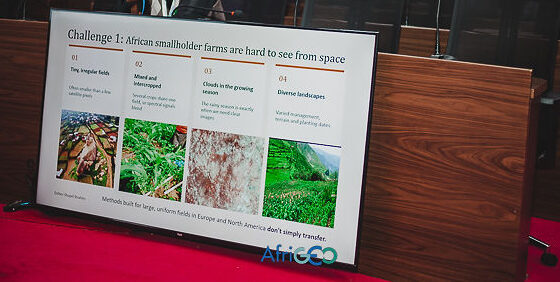
How can Africa’s growing Earth Observation capabilities translate into stronger agricultural monitoring and more informed decisions on food security?
This question was at the heart of GEOGLAM’s engagement at AfriGEO 2026 in Abuja, Nigeria.
Throughout the event, the GEOGLAM network contributed to discussions and practical exchanges on bridging the gap between technical capabilities and operational needs. We started the conference with a hands-on training ‘From crop mapping and yield estimation to agricultural statistics‘ – delivered with CropWatch of the Chinese Academy of Sciences, the Agricultural Research Council of South Africa and VITO Remote Sensing (ESA WorldCereal), with technical support from the Nigeria National Space Research and Development Agency (NASRDA). The training demonstrated the value of bringing complementary expertise and approaches together to support more integrated and effective agricultural monitoring in national and local contexts. Complementing these efforts, a partner-led training by HCP International explored how to translate technical ideas into bankable projects, drawing in part on materials co-developed with the GEOGLAM community.
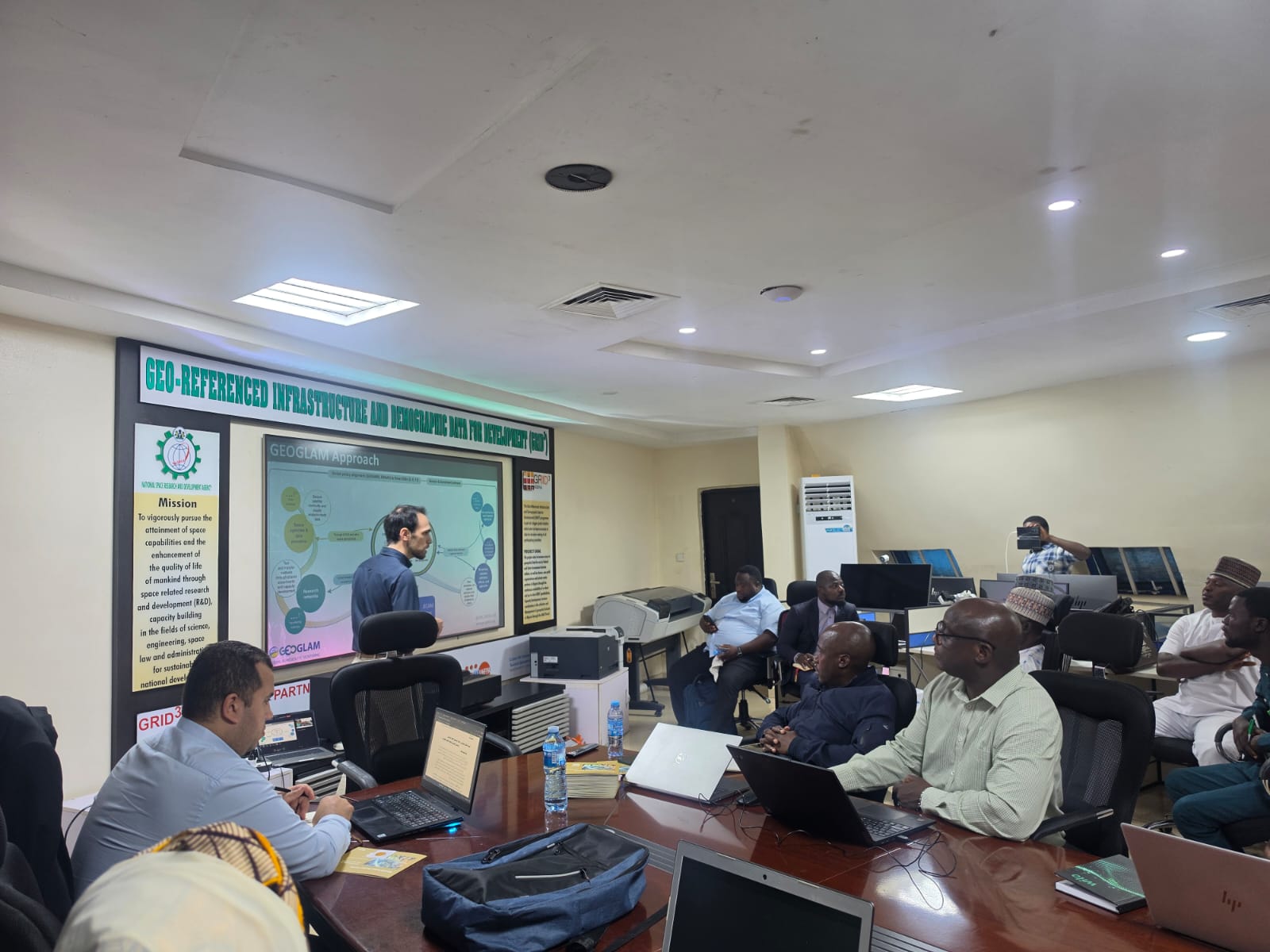
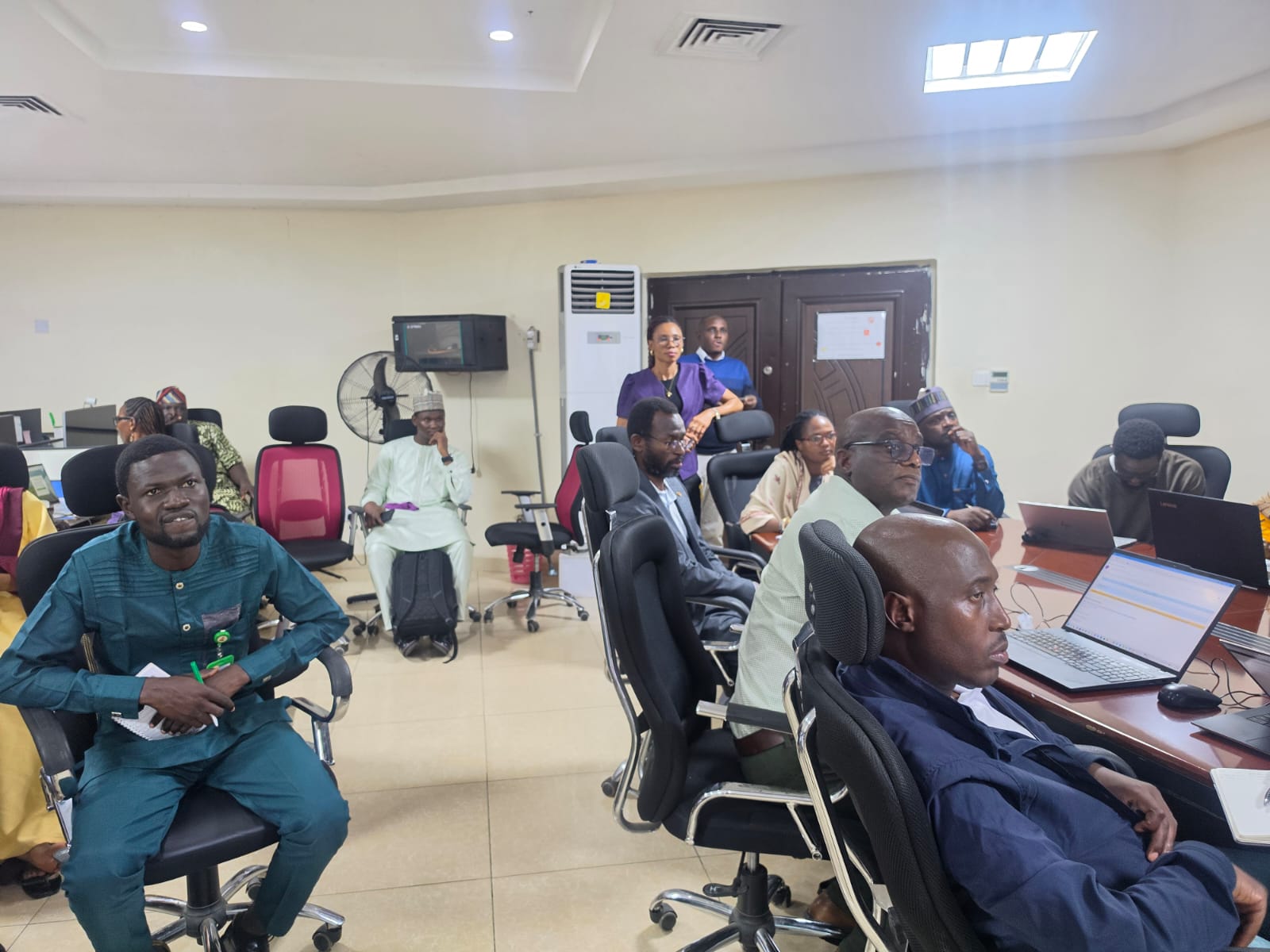
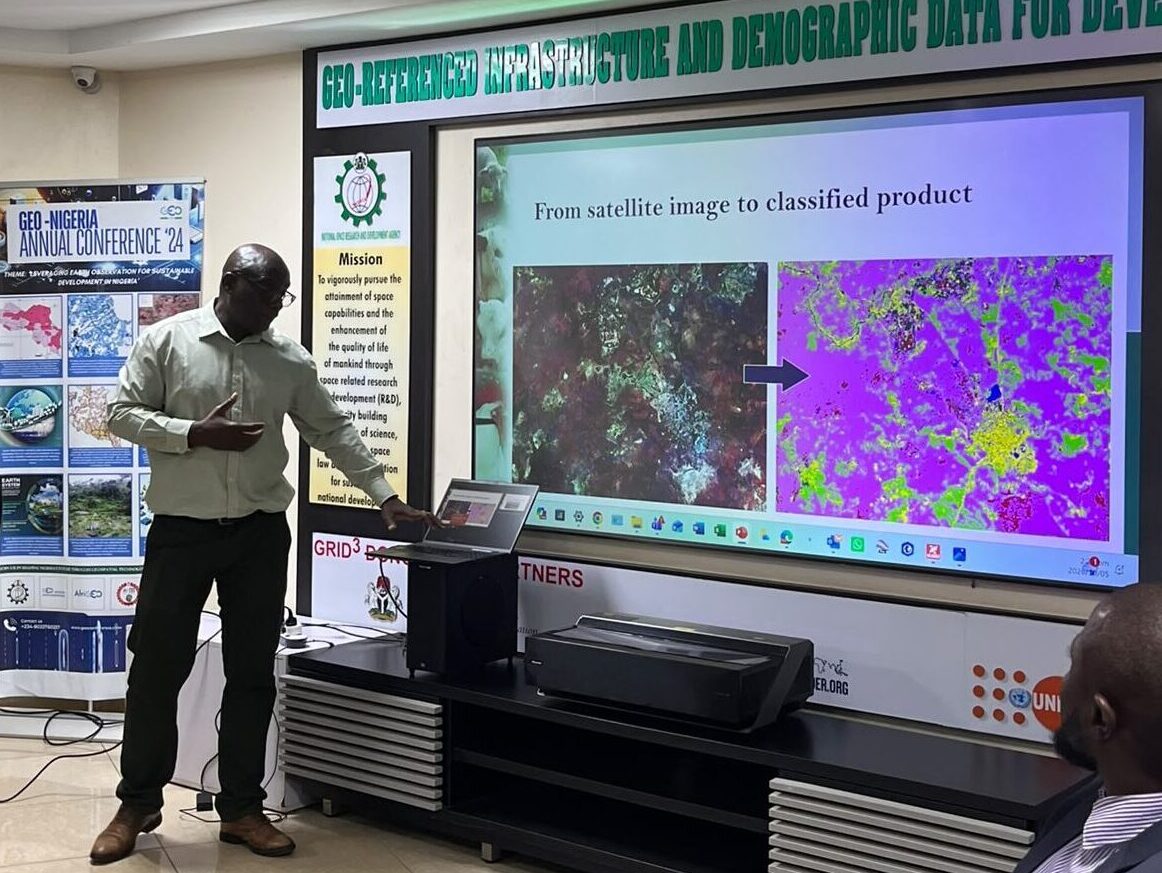
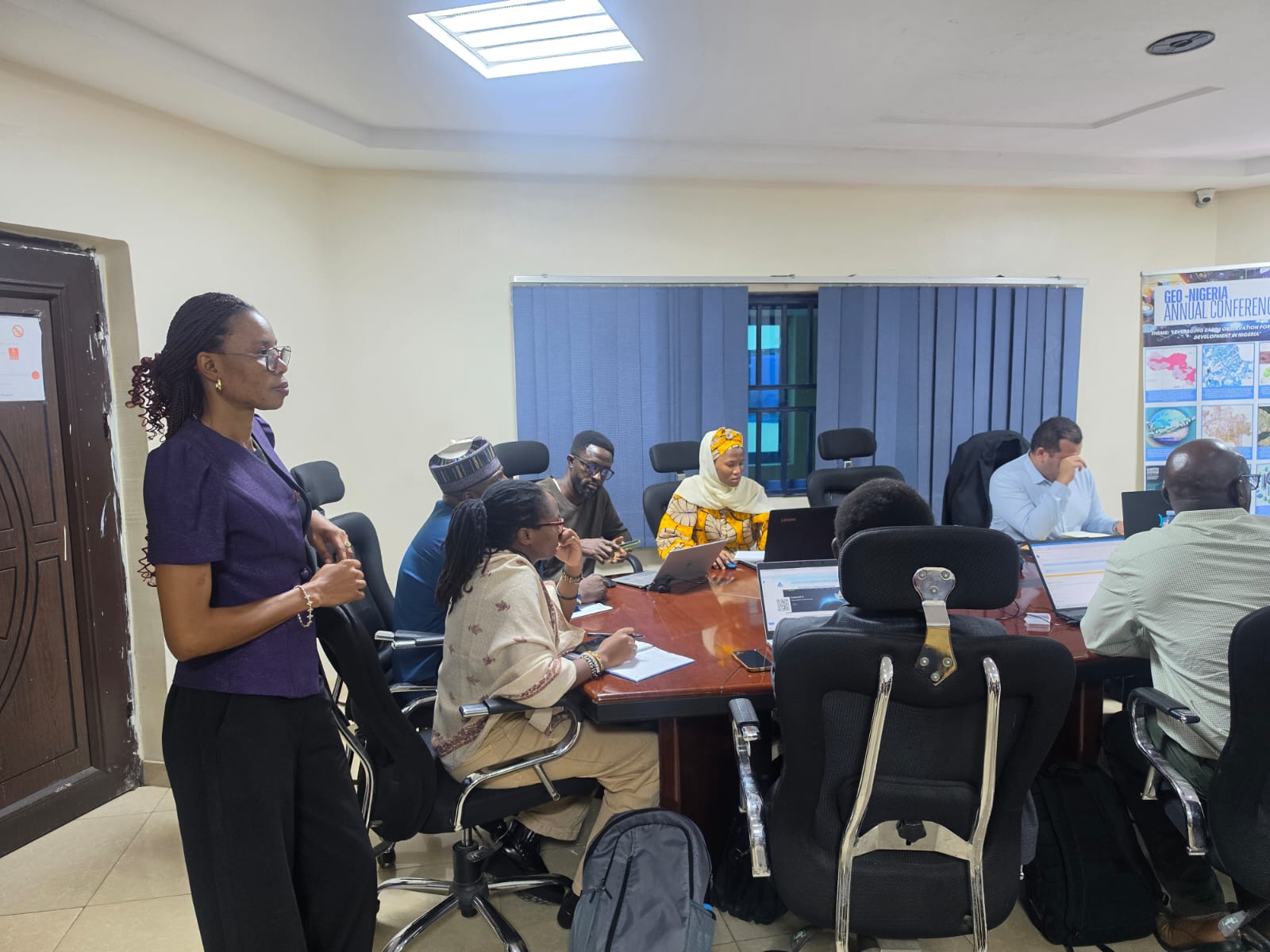
Partcipants in the GEOGLAM Pre-symposium Training



Throughout the different technical sessions, a common message was reinforced: ‘effective EO solutions depend not only on data and technology, but also on sustained collaboration, institutional capacities and alignment with national priorities.’
This is particularly relevant as the emerging AfriGEO Agriculture Community of Practice, co-convened by GEOGLAM, begins bringing together African institutions and experts to identify shared priorities, exchange experiences and strengthen regional cooperation.
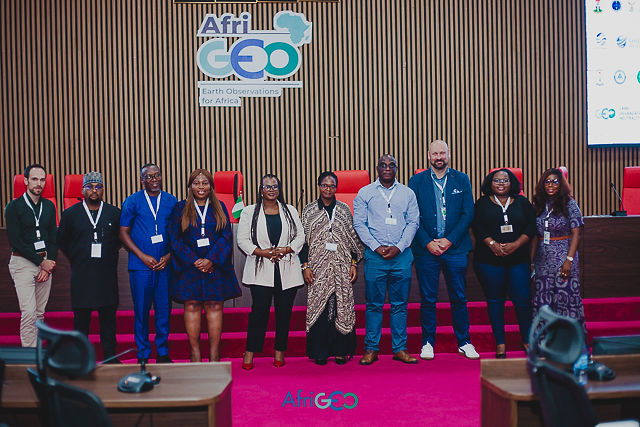
AfriGEO 2026 Agriculture Session Speakers
The event also brought a welcome moment of recognition. GEOGLAM received an award acknowledging its contributions to advancing EO for agriculture and food security across Africa. This recognition reflects the collective commitment and contributions of the many individuals and partner institutions working together through GEOGLAM.
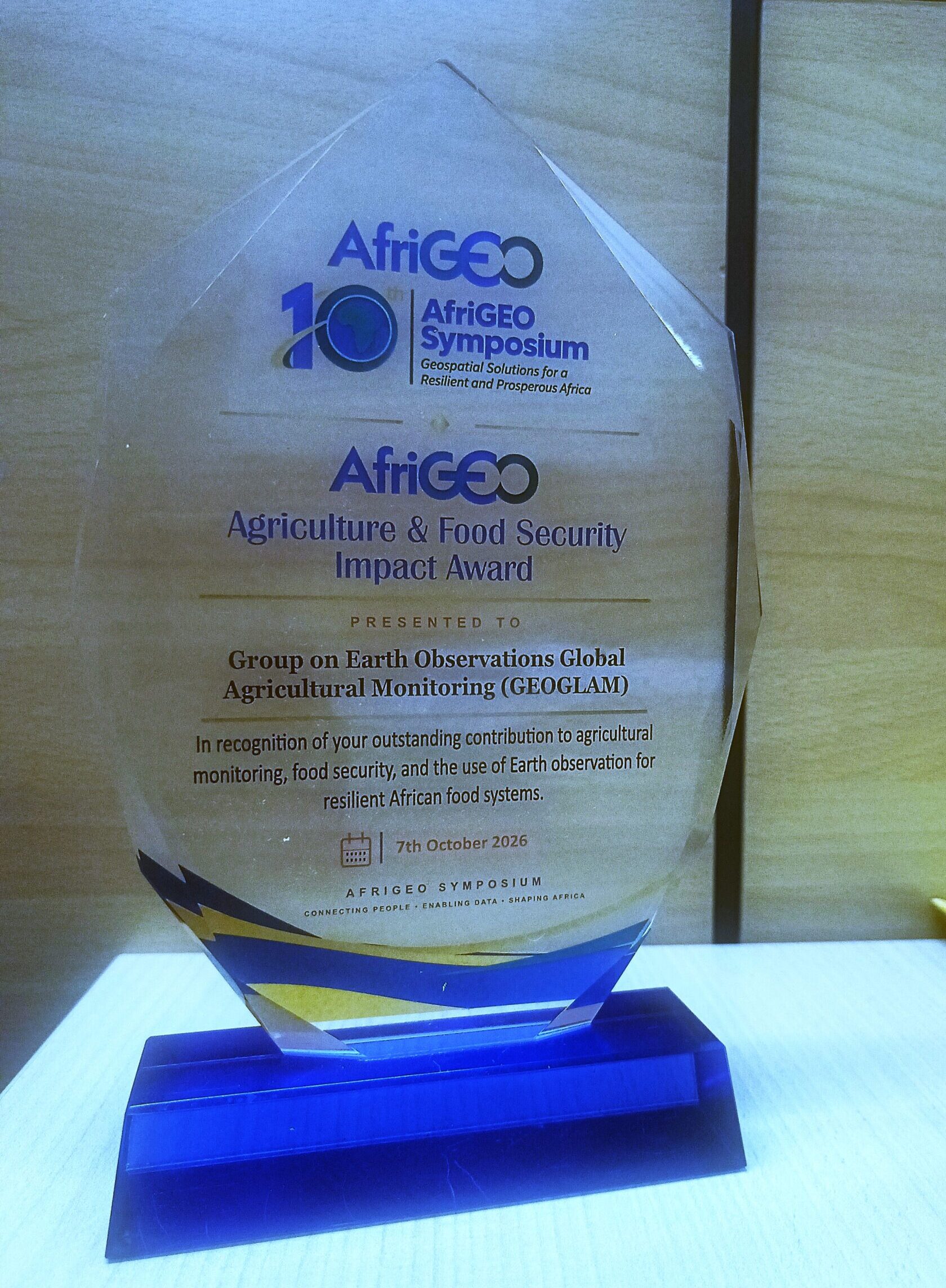
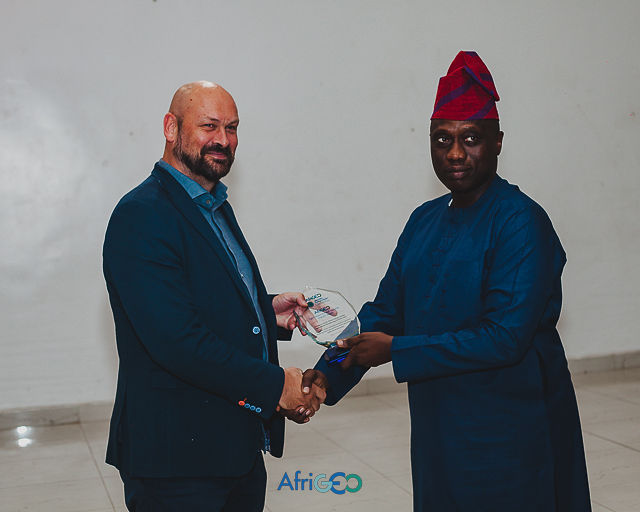
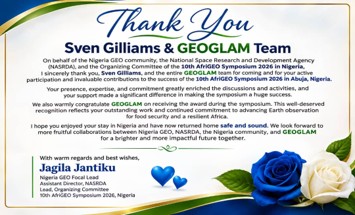
We are grateful to AfriGEO for this recognition and to the many partners whose expertise, commitment and collaboration make GEOGLAM’s work possible
As we look beyond Abuja, the priority remains clear: strengthening African-led partnerships that turn EO knowledge and capabilities into practical, sustainable solutions for agriculture and food security.
We invite African institutions and experts to join and contribute to the emerging AfriGEO Agriculture Community of Practice and the broader GEOGLAM activities.
0 Comments